Food Article
Showing posts with label Food Article. Show all posts

How to Store Food Safely to Reduce Waste and Protect Your Family’s Health

Safe food storage is essential for preventing contamination and protecting your family’s health. Start by separating raw meats from ready-to-eat foods. Always store raw chicken, beef, or seafood on the lowest shelf of your fridge in leak-proof containers to prevent juices from dripping onto other items. This practice significantly reduces the risk of cross-contamination, a common cause of foodborne illnesses. Understanding expiration dates is another important step in safe food storage. “Best before” and “use by” dates are not the same, best before dates refer to quality, while use by dates refer to safety. Learning the difference helps you confidently decide whether something is still safe to eat. When in doubt, follow the smell and texture of food, and avoid consuming anything that appears spoiled.

20 Smart Kitchen Storage Hacks Every Home Cook Should Know


A well-organized kitchen isn’t just about aesthetics, it’s about efficiency, safety, and saving money. When your ingredients are stored correctly, you waste less, cook faster, and maintain better food quality. Whether you live in a small apartment, a busy family home, or you’re simply tired of cluttered cabinets and chaotic drawers, smart storage is the secret to transforming the way you cook. If you’re struggling with kitchen clutter, you’re not alone. One of the best ways to maximize your space is through vertical storage. Adding shelves, stackable bins, or hooks inside cabinets automatically increases storage capacity without major renovations. Dry goods like pasta, rice, spices, and baking essentials become easier to reach, helping you cook more efficiently while keeping your pantry neat. Another smart storage hack is using clear jars and containers for pantry organization.

Proper Food Storage 101: How to Keep Your Food Fresher, Safer, and Longer


Food storage is one of the most important yet overlooked pillars of safe home cooking. Whether you’re managing a busy household, prepping meals in advance, or trying to cut down on food waste, learning how to store food properly can transform the way you cook, save you money, and protect your health. This long-form guide combines expert-backed safety principles, practical home-cook strategies, and science-driven recommendations to help you confidently store perishables, pantry staples, leftovers, and fresh produce the right way. Proper food storage is one of the most effective ways to reduce food waste and maintain the quality of your ingredients. Start by organizing your fridge into zones so foods stay at the right temperature. Dairy, eggs, and meats should always be kept on the middle and lower shelves where it’s coldest, while condiments and drinks go on the door. Storing fruits and vegetables separately in the crisper drawers also helps keep them fresh by managing humidity and slowing down spoilage.

Meal Prep for Weight Loss, Proven Strategies and Recipes That Work


Meal prep for weight loss is an effective strategy that helps you stay consistent with your calorie goals, avoid unhealthy food choices, and maintain portion control. By planning and preparing meals ahead of time, you can ensure that each dish is balanced with the right amounts of protein, healthy fats, and complex carbohydrates to keep you satisfied while supporting gradual, sustainable weight loss. It also helps eliminate the guesswork and impulse decisions that often lead to overeating or ordering high-calorie takeout.

How to Save Money and Time with Smart Meal Planning


Meal planning is an essential practice for maintaining a healthy lifestyle, saving money, and reducing stress around daily food decisions. By taking the time to organize meals in advance, you can ensure a balanced diet that meets your nutritional needs while avoiding last-minute unhealthy choices. It allows you to incorporate a variety of fresh ingredients, manage portion sizes, and reduce food waste by buying only what you need. For busy individuals and families, meal planning also helps streamline grocery shopping, making it quicker, more efficient, and cost-effective.

The Role of Cooking Thermometers in Professional Kitchens

If you’ve ever walked into a professional kitchen, you’ll notice one thing right away, everything is fast, precise, and organized. Chefs are running around, cooking up dishes that not only look amazing but also taste perfect. But behind all that magic, there’s a secret tool that plays a big role in ensuring food is cooked just right: cooking thermometers. Cooking thermometers may look like small, simple gadgets, but they are one of the most important tools in any professional kitchen. They help chefs and cooks make sure that food is safe to eat, tastes great, and doesn’t go to waste. In Kenya, where food is a big part of our culture, and restaurants are booming in cities like Nairobi, Mombasa, and Kisumu, these thermometers are becoming more and more important.

Who Needs to Follow a Gluten-Free Diet?

What is the description of gluten-free? A gluten-free diet excludes any foods that contain gluten, which is a protein found in wheat and several other grains. It means eating only whole foods that don't contain gluten, such as fruits, vegetables, meat and eggs, as well as processed gluten-free foods like gluten-free bread or pasta

With celebrities endorsing gluten-free diets and numerous studies claiming that gluten is a potentially harmful compound, it’s no wonder that more people are going gluten-free every year. A gluten-free diet excludes all gluten-containing foods. Gluten is a protein that is naturally found in a range of grains, including wheat, rye, barley, and spelt. Even some foods that don’t naturally contain gluten may be contaminated with the protein if manufactured in the same warehouse as gluten-containing grains. Gluten is often added to foods to enhance their texture. It acts as a binding agent and adds extra flavor to these foods. Therefore, you might spot gluten on the nutritional labels of a wide range of food products in the grocery store. It’s even found in some beauty and cosmetics products too. 

Metal Cups and Sweet Tea – A Heartfelt Story of a Kenyan Village


In a small, tranquil Kenyan village, metal cups and sweet tea hold more than just the promise of refreshment—they represent tradition, community, and the spirit of togetherness. This story takes you on a journey through the lives of villagers, where every sip of tea shared strengthens bonds and brings people closer. Dive into this heartfelt narrative that captures the essence of rural life and the simple joys that unite us all. I have been away for so long I miss being in the kitchen. But I travelled to grandmas at the village where I have been so relaxed that I forgot city life... just a bit... I promise. Today's post is random since it's about my stay at the village with grandma. I love Tea and if anybody knows, great tea is in how it is prepared. 

Tips On Storing Fruits and Vegetables

tips-on-storing-fruits-and-vegetables-nairobi-kitchen-tips

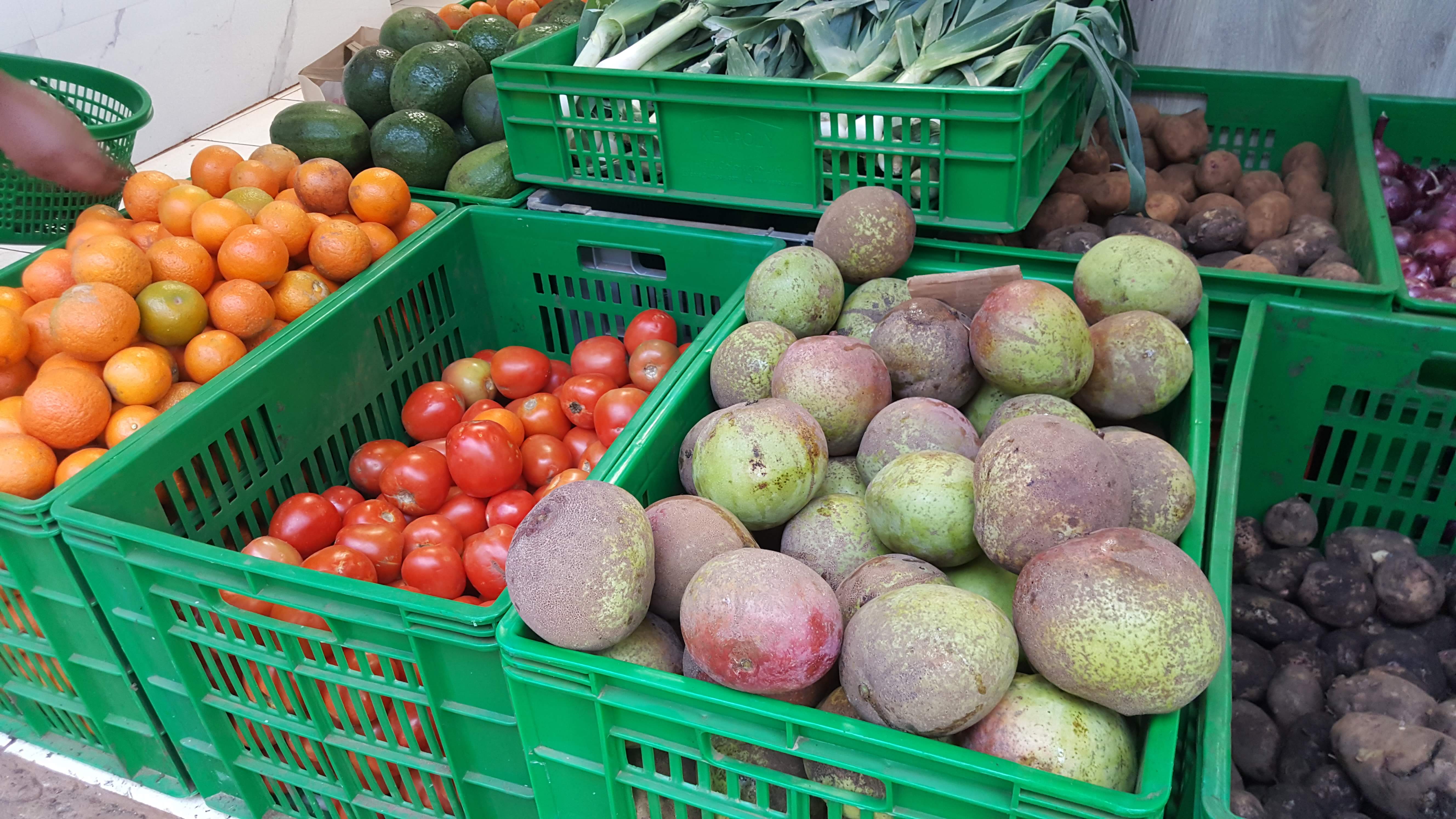
Storing fruits and vegetables properly is essential to maintaining their freshness, flavor, and nutritional value. When you use the right techniques, you can extend their shelf life. This reduces waste. You can also enjoy your produce for a longer period of time. Here are some useful tips for storing fruits and vegetables effectively:

Health Benefits Of Vegetables

health-benefits-of-vegetables-nairobi-kitchen

Discover the amazing health benefits of vegetables and why they’re essential for a balanced diet. From boosting immunity to improving digestion, learn how incorporating more veggies can enhance your overall well-being. There is something incredibly comforting about the idea of curling up under a cozy duvet. Drifting off to sleep on a lazy day enhances this comfort. But before we settle into that delightful thought, let us pause. It's time to appreciate something often overlooked but undeniably important, vegetables. Many of us, especially growing up, developed a less-than-enthusiastic attitude toward vegetables. Perhaps it was because of the way they were prepared. It could also have been because we were compelled to eat them before we could go outside to play.

OMENA FISH - KENYAN FOOD STORY

omena-fish-story-nairobi-kitchen-kenyanmade

Today I bring you a Kenyan traditional food. It has stood the test of time. This dish continues to feed generations across the country: Omena Fish. Omena is a small, silvery fish. It is known scientifically as a silver cyprinid. This fish is a species of ray-finned fish in the family Cyprinidae. I know I might be taking you back to biology class here, but there's no simpler translation. For ease, think of Omena as a small fish that closely resembles sardines. It might be small in size. However, it carries a weight of tradition, flavor, and cultural importance that is anything but small.
© Nairobi Kitchen
Maira Gall