How to Make Authentic Pure Kenyan Tea

INGREDIENTS
1 Cup Water
500ml Packet Whole Milk
3 Tablespoons Tea Leaves
METHOD
Add Water to sufuria (pan)


Heat water until boiling

Add whole milk

Quantity of milk depends on whether you want a thick or light tea


Add tea leaves

We have always used one brand of tea ever since I was young, and I always find myself buying the same brand


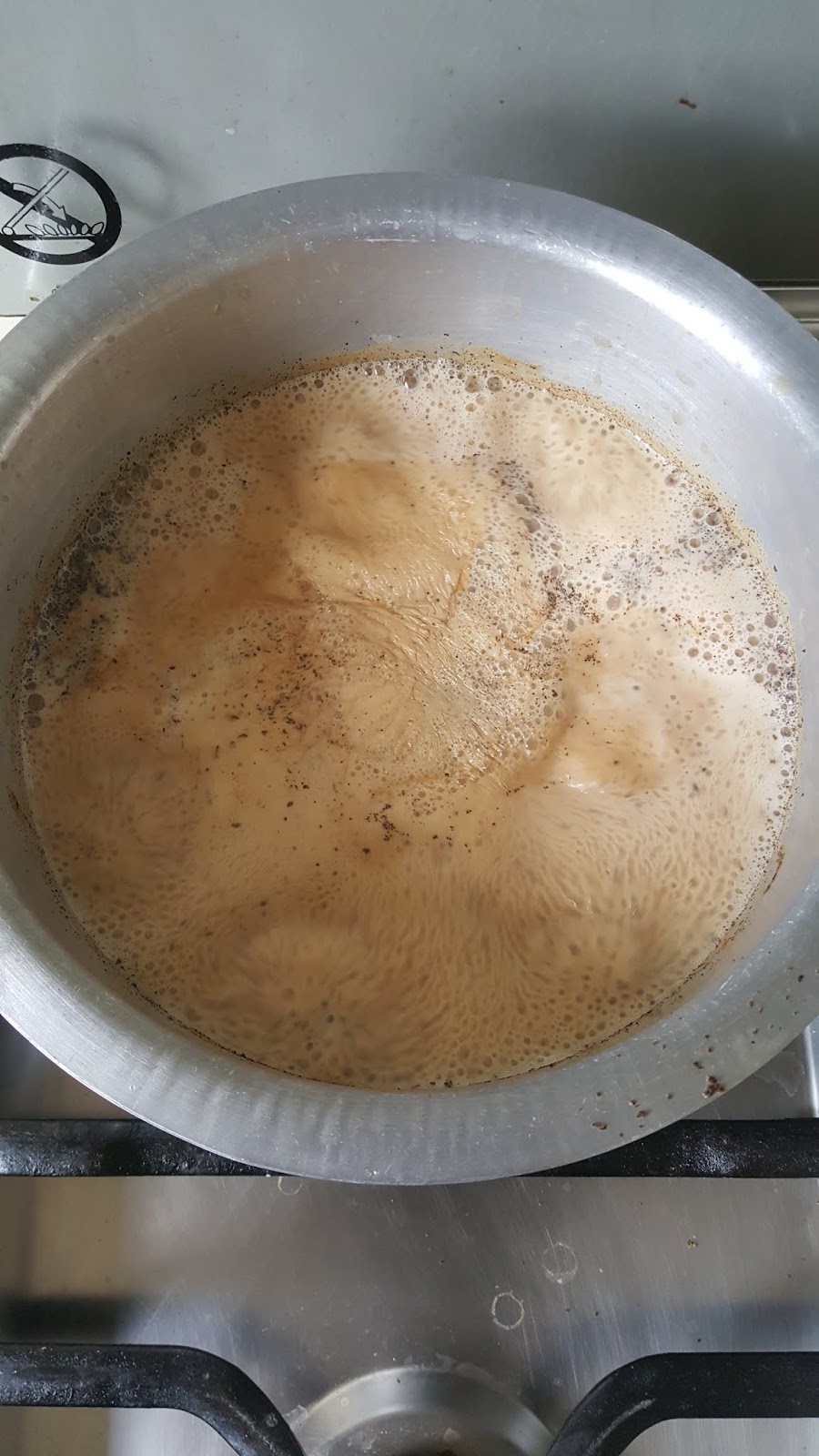
Let tea simmer until bubbling

Use sieve to mix the tea leaves into the milk


Turn heat to really low and let the tea brew

Brew the tea for exactly 10 minutes or more for a darker looking tea

After brewing, turn heat to high, let it bubble to the top and turn off heat
Sieve the tea


Pour tea into a thermos


Serve your Kenyan tea


AUTHENTIC PURE KENYAN TEA

Prep time: 05 Minutes
Cook time: 20 Minutes
Total time: 25 Minutes
Yield: 4 Cups
Ingredients
- 1 Cup Water
- 500 ml Whole Milk
- 3 Tablespoons Tea Leaves
Cooking Directions
- Add Water to sufuria (pan). Heat water until boiling. Add whole milk
- Quantity of milk depends on whether you want a thick or light tea. Add tea leaves
- Let tea simmer until bubbling
- Use sieve to mix the tea leaves into the milk
- Turn heat to really low and let the tea brew
- Brew the tea for exactly 10 minutes or more for a darker looking tea
- After brewing, turn heat to high, let it bubble to the top and turn off heat
- Sieve the tea. Pour tea into a thermos
Kenyan Tea FAQs
1. What is Kenyan Tea?
Kenyan tea refers to black tea grown in Kenya, known for its bold flavor, deep color, and high antioxidant content. It is often brewed with milk and sugar, and is a staple in Kenyan households and culture.
2. Is Kenyan tea different from other black teas?
Yes. Kenya is one of the top producers of CTC (crush-tear-curl) black tea, known for its strong body and briskness. It has a distinct taste profile and higher antioxidant levels compared to some other black teas.
3. Is Kenyan tea caffeinated?
Yes, Kenyan black tea contains moderate levels of caffeine (around 40–50 mg per cup), which can help improve alertness but should be consumed in moderation, especially late in the day.
4. Is it healthy to drink Kenyan tea daily?
Yes, in moderation. Kenyan tea contains antioxidants like theaflavins and catechins, which help combat oxidative stress and may support heart health and metabolism.
5. Can it be consumed without milk or sugar?
Absolutely. Plain Kenyan black tea is a calorie-free, antioxidant-rich beverage. Omitting milk and sugar enhances its health benefits.
6. Is Kenyan tea safe during pregnancy?
Yes, in limited amounts. It contains caffeine, so it's best to limit to 1–2 cups per day during pregnancy and avoid late evening consumption.
7. Does Kenyan tea cause acidity?
For some people, strong black tea—especially on an empty stomach—can trigger acid reflux or heartburn. Drinking it with food or adding milk may reduce these effects.
Nutrition Card – per 1 cup (240 ml) of prepared Kenyan Tea
| Nutrient | Plain Black Tea | With Milk & Sugar | Notes |
|---|---|---|---|
| Calories | 0–2 kcal | 50–100 kcal | Depends on amount of milk and sugar |
| Carbohydrates | 0 g | 8–15 g | Mostly from added sugar |
| Sugars | 0 g | 8–12 g | From sugar or sweeteners |
| Protein | 0 g | 1–3 g | From milk |
| Fat | 0 g | 1–3 g | From milk (depends on type) |
| Caffeine | 40–50 mg | 40–50 mg | Similar caffeine content either way |
| Antioxidants | High | Medium–High | Slightly diluted with milk |
| Calcium | 0 mg | 80–120 mg | Comes from milk |
| Iron | 0 mg | 0 mg | Tea may slightly inhibit iron absorption |
📌 Nutrition Notes:
- Kenyan tea is low in calories when served plain.
- Milk and sugar add calories but may also contribute nutrients like calcium and vitamin D.
- Consider using low-fat milk or natural sweeteners for a healthier version.
Dietary Information
| Diet Type | Is Kenyan Tea Suitable? | Explanation / Notes |
|---|---|---|
| Vegan | ⚠️ Only if served without dairy | Use plant-based milk for vegan version |
| Vegetarian | ✅ Yes | Standard preparation is vegetarian |
| Gluten-Free | ✅ Yes | Naturally gluten-free |
| Paleo | ⚠️ Without sugar or dairy | Use almond or coconut milk and avoid sugar |
| Keto/Low-Carb | ⚠️ Without sugar | Use unsweetened almond milk and avoid sugar |
| Diabetic Friendly | ⚠️ Only unsweetened | Avoid sugar, use stevia or enjoy plain |
| Nut-Free | ✅ Yes | No nuts involved |
| Lactose-Free | ⚠️ Only with non-dairy milk | Plain tea is lactose-free; milk must be substituted |
📌 Dietary Notes:
- For maximum health benefits, enjoy Kenyan tea unsweetened and without milk.
- Dairy-free versions are easy to make using oat, soy, or almond milk.
- Kenyan tea is often consumed socially and culturally—it’s a comfort beverage as well as a nutritional one.

About Mulunga


Hello! What brand of tea do you use?
ReplyDelete